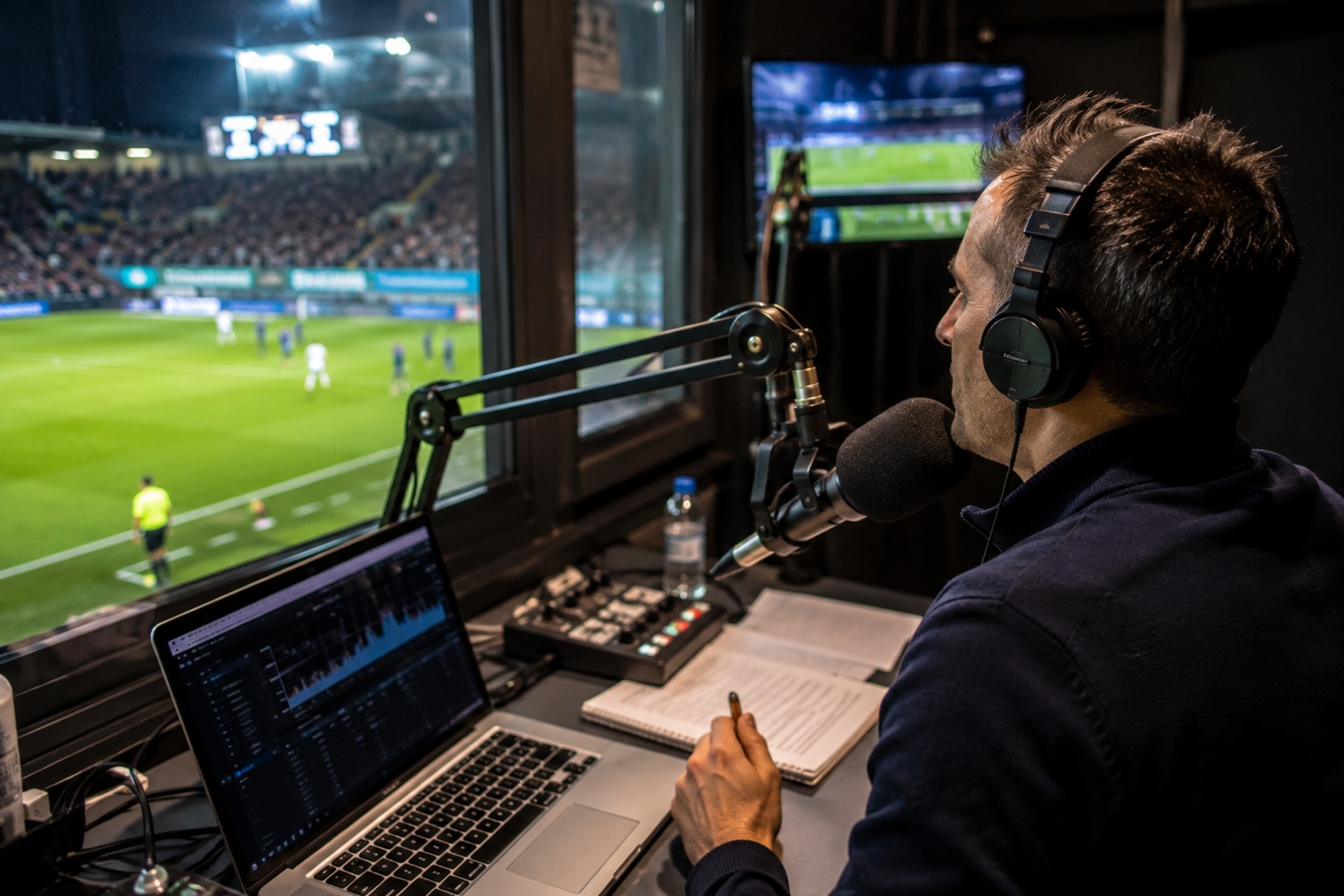
Football has a quality that few other sports can reproduce: its most important moment can arrive without warning. A match may appear settled for half an hour before one unexpected pass changes everything. A team under pressure can suddenly find space, a goalkeeper can produce a decisive save, and a substitution that initially seems routine can transform the balance of the contest. This uncertainty explains the enduring appeal of football live streams, which allow supporters to follow the action as it develops rather than discover the outcome afterwards.
Watching a match in real time creates a different relationship with the sport. The viewer does not simply collect goals, results or memorable incidents. They follow the decisions that lead to them, observe how teams respond to changing circumstances and experience the tension that builds throughout ninety minutes. Every passage of play becomes part of a larger narrative, with its own rhythm, setbacks and possibilities.
A Match Is a Story Without a Predetermined Ending
Football is often described through its final score, but the result rarely communicates the full character of a game. A narrow victory might follow an evening of sustained attacking pressure, or it might emerge from a disciplined defensive performance and one carefully executed counterattack. Two matches with identical scores can therefore offer completely different experiences.
The uncertainty is particularly compelling because football gives teams relatively few opportunities to correct their mistakes. In sports with frequent scoring, one unsuccessful passage may have little lasting significance. In football, a missed chance can remain important for the rest of the match. A defensive error may change the entire tactical picture, while a goal scored against the run of play can force both sides to reconsider their approach.
Live viewing preserves this sequence of cause and effect. Supporters see how confidence develops, how frustration influences decision-making and how the pressure of the clock changes the behaviour of players. A team leading by one goal with ten minutes remaining may begin protecting its advantage, while the opponent commits more players forward and accepts greater defensive risks.
These changes are part of the drama. The final whistle may provide the conclusion, but the meaning of the result is shaped by everything that happens before it.
The Tactical Battle Beneath the Surface
For viewers who enjoy understanding football beyond its most obvious moments, a live match offers an opportunity to observe the tactical contest between two teams. Formations provide a starting point, but the actual structure of a side is constantly changing. Players move into different spaces depending on possession, pressure and the position of their opponents.
A team listed in a 4-3-3 formation may defend in a compact 4-5-1 shape, then transform into something resembling a 3-2-5 when building attacks. A full-back might move into midfield to create an additional passing option, while a winger stays wide to stretch the opposing defence. These adjustments can determine which team controls the central areas of the pitch.
The most interesting tactical developments are not always immediately obvious. Sometimes a team deliberately allows its opponent to circulate the ball in harmless areas, waiting for a misplaced pass or a predictable movement. On other occasions, a high defensive line is used to compress the playing area and prevent the opposition from building attacks comfortably.
Following the entire match makes it easier to recognise these intentions. A pressing sequence that appears unsuccessful in isolation may have been designed to force play towards a particular side of the pitch. A midfielder who rarely touches the ball may still be essential because their positioning prevents the opponent from progressing through the centre.
This deeper perspective changes the way supporters evaluate performances. Instead of judging a player solely by goals and assists, they begin to appreciate positioning, awareness, timing and the ability to make decisions under pressure.
The Characters Who Shape the Contest
Every memorable football match has its individual stories. The obvious figures are usually the goalscorers and players who create spectacular moments, but the character of a contest often depends on people whose contributions attract less attention.
A goalkeeper can influence the result through calm communication and intelligent positioning. A central defender may repeatedly step forward to intercept passes before an attack becomes dangerous. A midfielder can control the rhythm of the game by deciding when to accelerate possession and when to slow it down.
Young players introduce another dimension. A promising debutant might begin cautiously, testing the pace and physical demands of senior football before gradually becoming more confident. An experienced substitute may enter during a difficult period and provide the composure that the team has been missing.
These developments are rewarding to follow because they reveal how performances evolve. A player who makes an early mistake may recover and become one of the strongest figures on the pitch. Another might start brightly but struggle as the opponent adapts to their movement.
Football is a collective sport, yet individual decisions can have extraordinary consequences. Real-time viewing allows supporters to understand how personal performances interact with the team’s wider strategy.
Why the Stadium Still Matters
Modern football reaches audiences far beyond the cities where matches take place, but the stadium remains central to the identity of the game. Its atmosphere can communicate tension, confidence, disappointment and celebration in ways that statistics cannot reproduce.
Supporters bring local traditions into every fixture. Songs, colours, banners and familiar rituals connect the present match with generations of previous encounters. Even when a team is struggling, the relationship between the crowd and the players can remain a powerful part of the occasion.
The atmosphere also changes according to the circumstances. An early goal may release weeks of anticipation, while a missed penalty can create a sudden silence. A late attacking move often produces a collective reaction before anyone knows whether it will end in a goal. These shared emotional moments help explain why football remains such a social experience.
Rivalries give stadium atmosphere an additional intensity. Some fixtures are shaped by historic competition between neighbouring cities, while others carry significance because of previous finals, controversial decisions or long periods of sporting dominance. The meaning of a match cannot always be understood from the league table alone.
For international viewers, the sounds and traditions of different grounds provide a window into football cultures around the world. A passionate crowd in South America, a tightly organised European terrace and a major African tournament atmosphere may express support in different ways, but each demonstrates the importance of football as a shared cultural experience.
Football Across Borders and Time Zones
The international character of the sport has transformed the way supporters organise their attention. A fan no longer needs to concentrate exclusively on the competition closest to home. Interest in a particular player, manager or playing style can lead viewers towards leagues and tournaments from entirely different parts of the world.
This creates opportunities to compare football cultures. Some competitions are known for their technical emphasis and patient build-up, while others place greater importance on physical intensity, quick transitions or individual creativity. These distinctions are not absolute, but they make following different leagues an education in the variety of approaches that football can accommodate.
International tournaments add another layer. National teams bring together players who usually represent different clubs, tactical systems and football environments. Coaches have limited preparation time, and the challenge of building a coherent team from separate professional backgrounds can make these competitions especially fascinating.
The global schedule also means that football has become part of everyday routines in different ways. Some supporters plan their evenings around an important fixture, while others follow a weekend of matches across several leagues. For people with connections to more than one football culture, the calendar can offer a continuous sequence of games and narratives.
The Value of Watching Beyond the Highlights
Short clips are useful for revisiting spectacular goals, dramatic saves and controversial incidents. They provide an efficient way to catch up with a match when time is limited. However, they cannot fully explain how the game reached those moments.
A goal may look simple in a short video, even though it was created by several minutes of intelligent movement and patient possession. A penalty decision might seem obvious when shown from one angle, while the full match reveals the context of the defensive action. A team may appear to have dominated because its highlights contain several attacking chances, despite spending much of the contest under pressure.
Watching a complete match gives those incidents their proper context. It also allows supporters to notice details that are unlikely to become part of a short compilation: the way a defender adjusts their position, the relationship between two midfielders or the gradual change in a team’s pressing intensity.
There is no need to analyse every minute as if it were a coaching exercise. Sometimes the pleasure of watching football comes simply from following the movement of the ball and waiting for something unexpected to happen. Yet the opportunity to observe the wider contest makes the experience richer for those who want to understand the sport more deeply.
A Shared Experience in a Changing Digital World
Digital technology has changed the practical side of following football. Supporters can keep up with competitions across different regions, follow match information and take part in discussions with people who are watching the same game elsewhere. The distance between a stadium and its international audience has become less significant.
This does not mean that technology has replaced traditional football culture. The excitement of a local derby, the anticipation before a major final and the emotional connection between a club and its supporters remain familiar. What has changed is the number of ways people can participate in those moments.
Online conversations can extend the matchday experience beyond the final whistle. Supporters debate tactical choices, compare performances and revisit controversial decisions. A match that lasts ninety minutes can therefore generate discussion for hours or even days.
The challenge is to keep the game itself at the centre of the experience. Constant updates and statistics can provide useful context, but they should not distract from the unfolding contest. Football remains most compelling when viewers have time to follow its natural rhythm, appreciate its uncertainty and notice the details that make each match different.
The Beauty of Being There for Every Moment
The lasting appeal of football comes from the combination of preparation, emotion and unpredictability. Teams enter the pitch with plans, supporters arrive with expectations, and yet the game rarely follows a completely predictable path. A single decision can change the direction of the contest, while a seemingly ordinary passage of play can become memorable years later.
Following a match as it happens allows supporters to experience the complete journey. They see the early uncertainty, the tactical adjustments, the pressure of decisive moments and the reactions that follow. They can appreciate the contributions of players who never appear on the scoresheet and understand why a particular result matters to a club or its community.
The scoreboard records the outcome, but the experience belongs to everyone who follows the game. It is found in the tension before a penalty, the sudden noise after a goal, the relief of a final defensive clearance and the conversations that continue long after the stadium empties.
That is what makes every live football match more than a sequence of events. It is a shared story whose most memorable moments are often impossible to predict.